
How We Work on a Restoration Job
What happens on a water, fire, mold or storm job, and the Texas safety and permit rules that come with it.
Every restoration job runs in the same order: find what is wet or burned, stop it spreading, take out what can’t be saved, dry or clean the rest, prove it is dry, then rebuild.
Before Anything Is Torn Out
When someone calls, Beckett Fischer asks what happened, when it happened, and whether water or smoke is still spreading. He also asks which rooms are affected.
On site, he checks moisture behind walls and under floors before anything is pulled out, because water travels under baseboards and across a slab long after the surface feels dry. Then he explains what can be dried and what has to go, and homeowners get a full walk-through of the damage before work begins. Many jobs involve an insurance claim, so the damage is documented with photos and moisture readings and the records are kept organized.
The Six Stages of a Restoration Job
-
Assessment of the Loss
Find the source, the type of water or smoke, and how far it spread. Water is Category 1 (clean), Category 2 (gray, from a washer or dishwasher) or Category 3 (floodwater, sewage), and the category decides what can be kept.
-
Stopping the Source
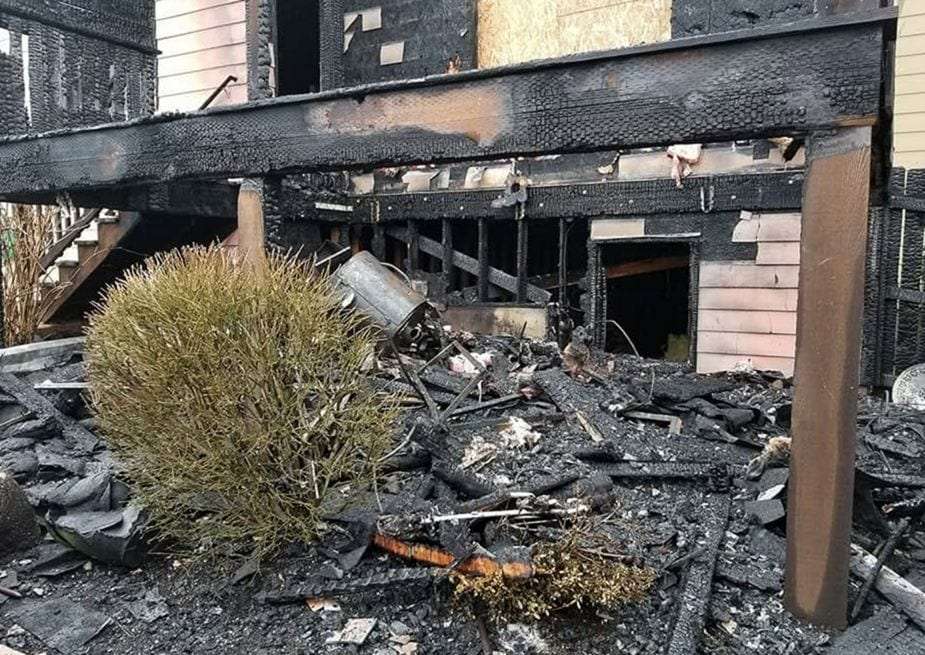
Nothing dries while water still comes in: a closed valve and a plumber’s repair, a tarp over a roof opening, a board-up over broken windows. After a fire, the air handler stays off so soot stays out of the ducts.
-
Extraction and Tear-Out
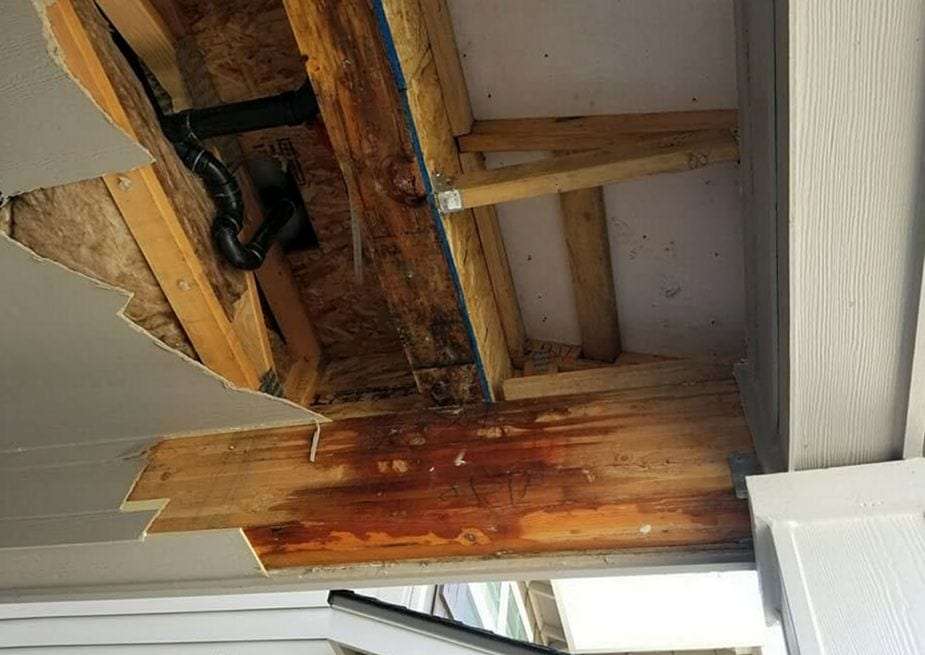
Standing water comes out first. Then what can’t be saved comes out: carpet pad, wet insulation, swollen particleboard, and drywall that wicked water or sat in Category 3 water. A flood cut along the wall opens the cavity to dry, and a ceiling that held water is opened to the joists.
-
Drying or Cleaning
Water jobs get structural drying: air movers and LGR dehumidifiers in closed-up rooms. Fire jobs get soot cleaning with dry sponges and HEPA vacuums, then washing and odor control. Mold work happens inside containment, under negative air.
-
Monitoring
Moisture readings are taken at the same points as the job goes and compared with dry material elsewhere. The equipment comes out when they match, not when the surface feels dry.
-
Repairs and Rebuild
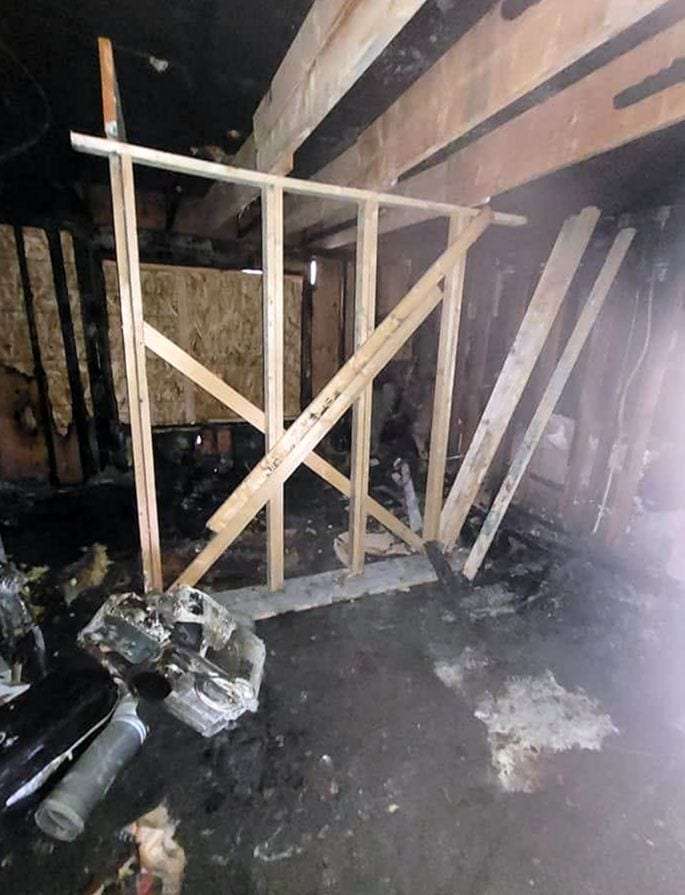
When the drying is finished, the crew rebuilds what had to come out: drywall, insulation, flooring and trim. After a fire, that can start with new framing where studs and joists burned through. Framing, wiring and plumbing work may need an inspection before the walls are closed.
Hazards on a Damaged Property
| Hazard | Where it shows up | Precaution |
|---|---|---|
| Electric shock | Water near outlets, cords or a wet breaker panel | Cut power at the panel only from dry ground; if the panel is wet, call the electric utility |
| Contaminated water | Floodwater and sewage backups | Stay out; boots and gloves to go in; porous materials it soaked are removed |
| Mold | Drywall, carpet pad and closets left damp for a day or two | Don’t scrub or fan it; containment and a HEPA air scrubber |
| Falling ceilings | Drywall bulging with trapped water | Keep people out from under it; switch off that light circuit |
| Soot | Every surface after a fire, and the ducts | HVAC off, no wet wiping, gloves and a respirator |
| Carbon monoxide | Generators and pumps run in a garage after a storm | Run engines outdoors, away from doors and windows |
Asbestos and Lead Paint in Older Houston Homes
Houston homes built before about 1980 may contain asbestos in drywall joint compound, popcorn ceilings and vinyl flooring. Homes built before 1978 may have lead paint, which the federal Renovation, Repair and Painting rule covers. Tearing either out puts dust in the air, so test before demolition: a licensed asbestos inspector samples the suspect materials, and a certified lead inspector or a lead-safe certified renovator checks the paint. A positive result can mean licensed abatement before the tear-out goes on.
Texas Rules and Permits That Can Apply
| Topic | What it means for the property owner | Who to ask |
|---|---|---|
| Building permits | Rebuild work on framing, wiring, plumbing or HVAC usually needs a permit and inspections. | City of Houston permitting (Houston Permitting Center); Bellaire and West University Place have their own offices |
| Floodplain rebuilding | In a mapped floodplain, repairs reaching half a building’s value can bring current flood rules, such as elevation. | City of Houston Floodplain Management Office; Harris County Engineering outside city limits |
| Mold | Mold covering 25 contiguous square feet or more generally needs a licensed assessor and a separate licensed remediator. | Texas Department of Licensing and Regulation (TDLR) |
| Asbestos and lead | Test before disturbing; positive results bring abatement or lead-safe work rules. | Texas Department of State Health Services; the EPA for lead-safe renovation |
| Wiring, gas and AC | Wet wiring, gas lines, water heaters and AC equipment go to licensed trades. | Licensed trades; TDLR licenses electricians and AC contractors |
| Deed restrictions | Houston has no zoning, but deed restrictions and HOAs can govern roofing and other outside changes. | Your HOA or civic club |
Industry Standards for Drying and Cleaning
The trade works from IICRC standards: S500 for water, S520 for mold and S700 for fire and smoke. They are references, not laws, but adjusters and assessors quote them. S500 sorts water into Categories 1 to 3 and sets the drying goal: materials back to the moisture level of similar dry material in the building. S520 covers containment, removal and judging a space back to normal after mold remediation. S700 covers smoke residue, cleaning and odor control.
How to Prepare Your Property
- Clear a path to the damaged rooms, the water shutoff, the breaker panel and the attic access.
- Move papers, medications, jewelry and electronics out of the work area.
- Photograph every affected room before anything is moved.
- Have the policy number, the claim number and the adjuster’s phone number ready.
- Keep pets and children away from containment and equipment.
- Leave drying equipment running, and keep containment zipped.
Staying in the Home During Restoration
Can we stay in the house while it dries?
Often, yes, when the water was clean, the power is safe and a bathroom and the kitchen work. Expect noise: the equipment runs without a break until the readings say the job is dry.
When is it better to stay somewhere else?
After Category 3 water or sewage in living areas, during large mold containment, when the kitchen or only bathroom is torn out, or without power. Infants and anyone with asthma often do better elsewhere.
Do we have to leave during odor treatment?
For ozone, yes: people, pets and plants stay out until the rooms are aired out, because ozone irritates the lungs. Hydroxyl generators can usually run with people at home.
Does insurance pay for somewhere to stay?
Many homeowner policies include additional living expenses when a home can’t be lived in during repairs. Ask your adjuster early and keep the receipts.
Call Before Anything Comes Out
Call or book a visit, and the walk-through of the damage comes before any work begins.