
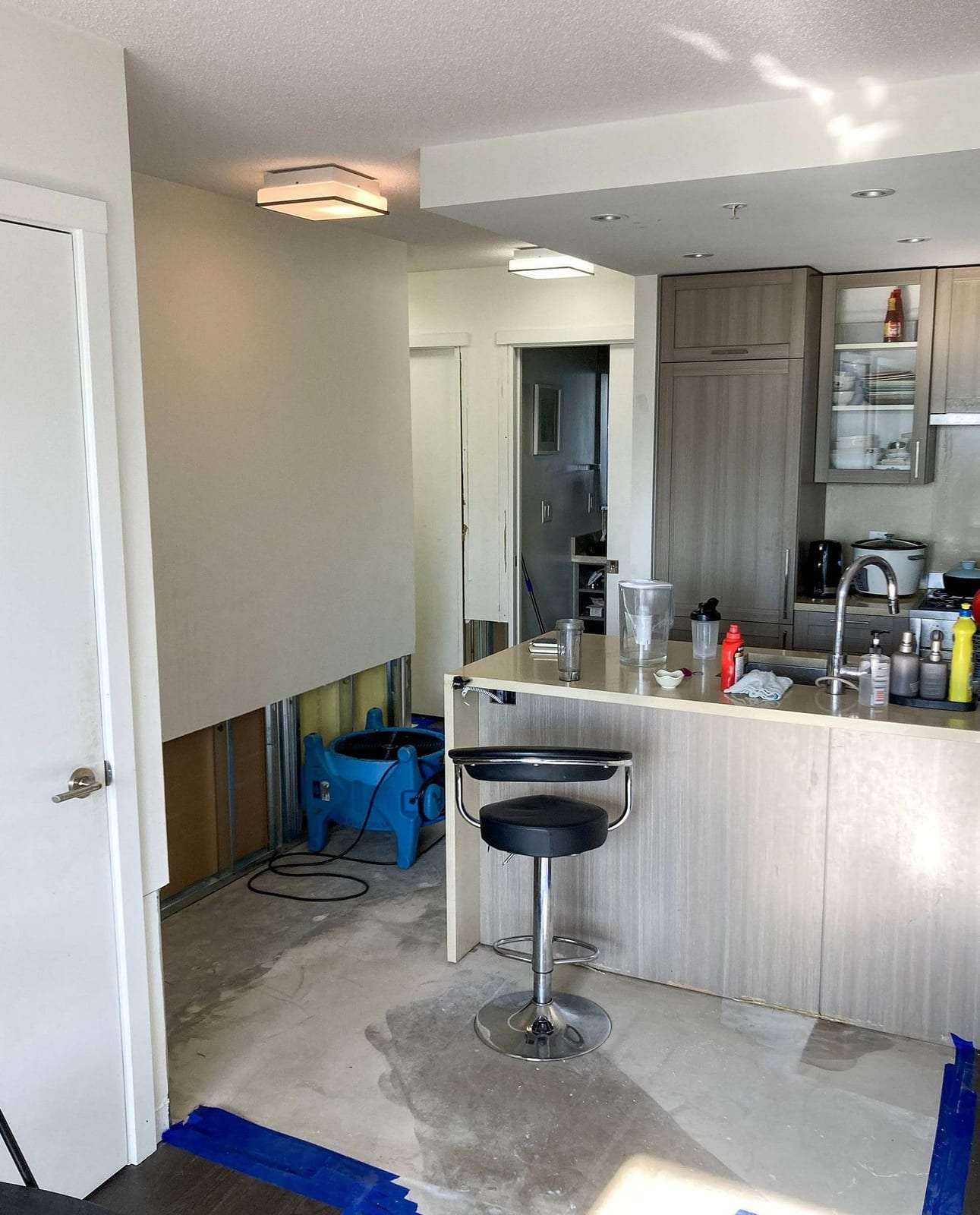
Water Damage
Extraction, structural drying and dehumidification after leaks and bursts.
Typical situations: a burst supply line, a failed water heater, a slab leak, an AC drain pan spilling into the ceiling.
Water Damage DetailsWater, flood, mold, fire and storm damage for homes and businesses, cleaned up, dried and rebuilt.
Water damage is the job we handle more than any other. Heavy rain, tropical storms and long humid stretches push water through roofs, up through slabs and into wall cavities, and burst supply lines and failed water heaters add to the list. Most days begin with extraction, structural drying and dehumidification, done quickly so mold doesn’t get a foothold.
We also remove mold, clean up after fire and smoke, take out soot and odor and repair storm damage. When the drying is finished, the crew rebuilds what had to come out: drywall, insulation, flooring and trim. Find the service that matches the damage in front of you. Often two match at once.
Extraction, structural drying and dehumidification after leaks and bursts.
Typical situations: a burst supply line, a failed water heater, a slab leak, an AC drain pan spilling into the ceiling.
Water Damage Details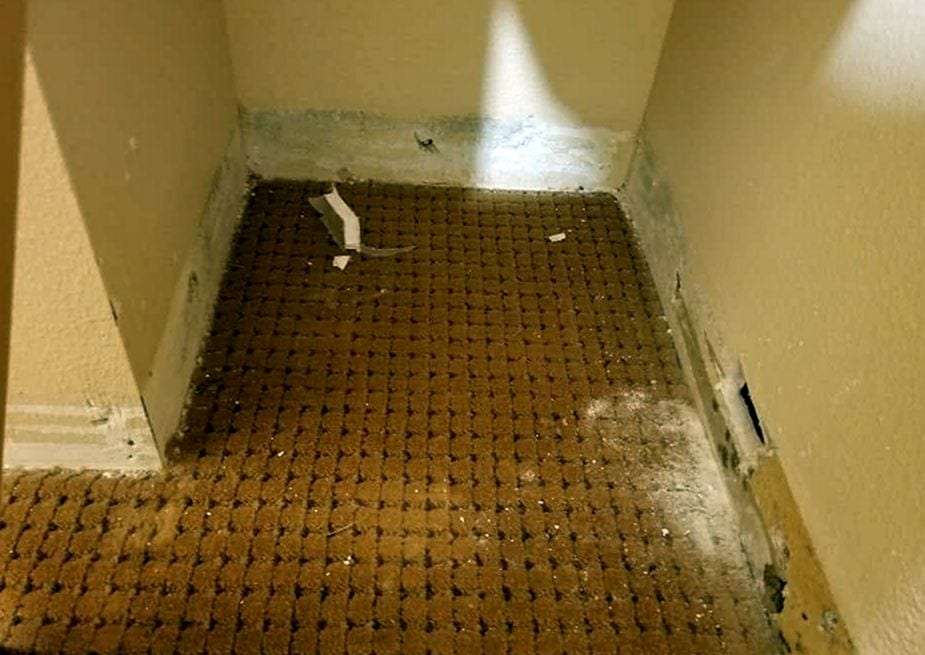
Floodwater pumped out, wet materials torn out and the structure cleaned.
Typical situations: street flooding after a downpour, a bayou over its banks, rain pushed in under the doors in a tropical storm.
Flood Cleanup Details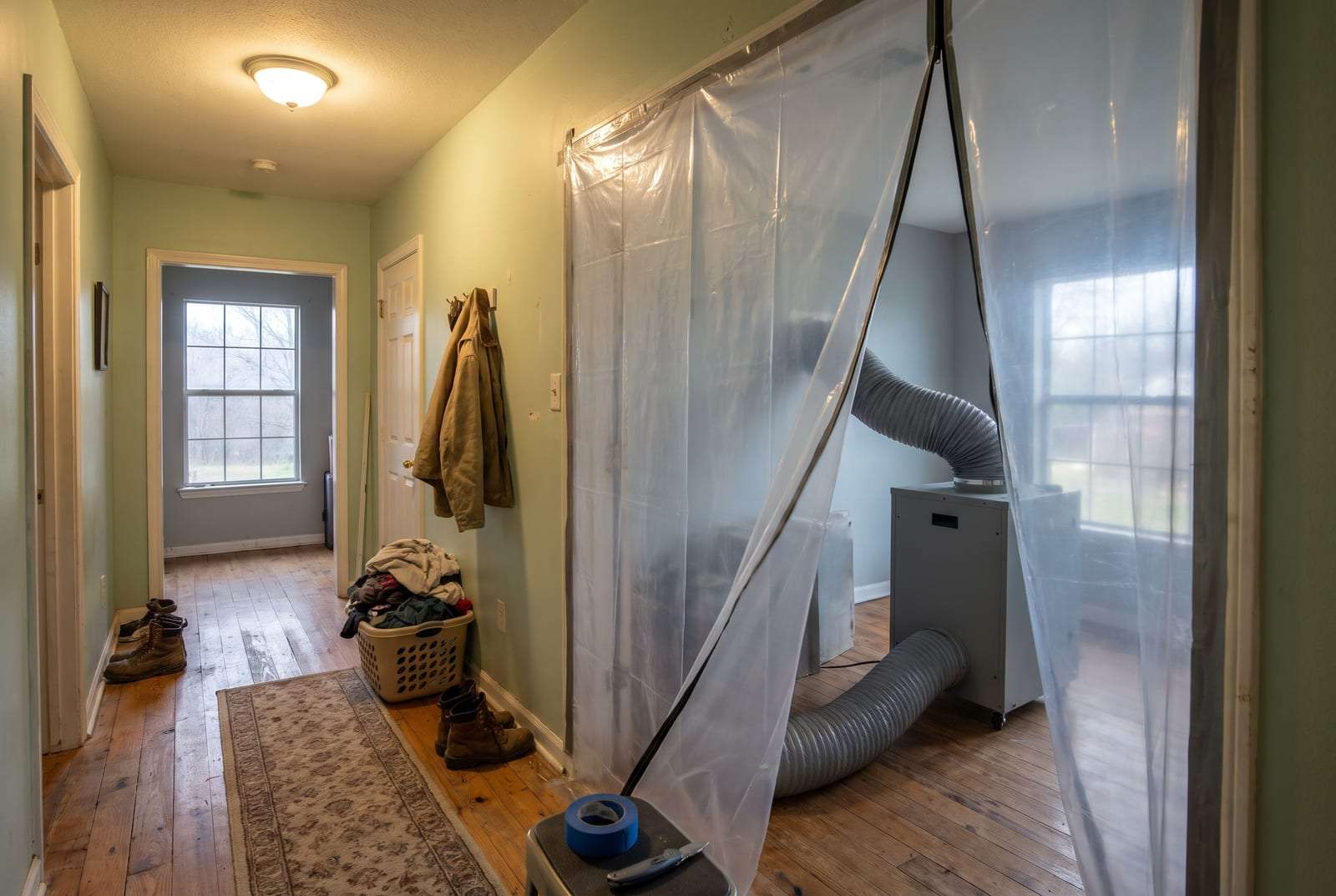
Containment, air filtration and removal of mold-damaged materials.
Typical situations: a musty closet, spotting on drywall after an old leak, an attic or AC closet that stays damp in the humidity.
Mold Removal Details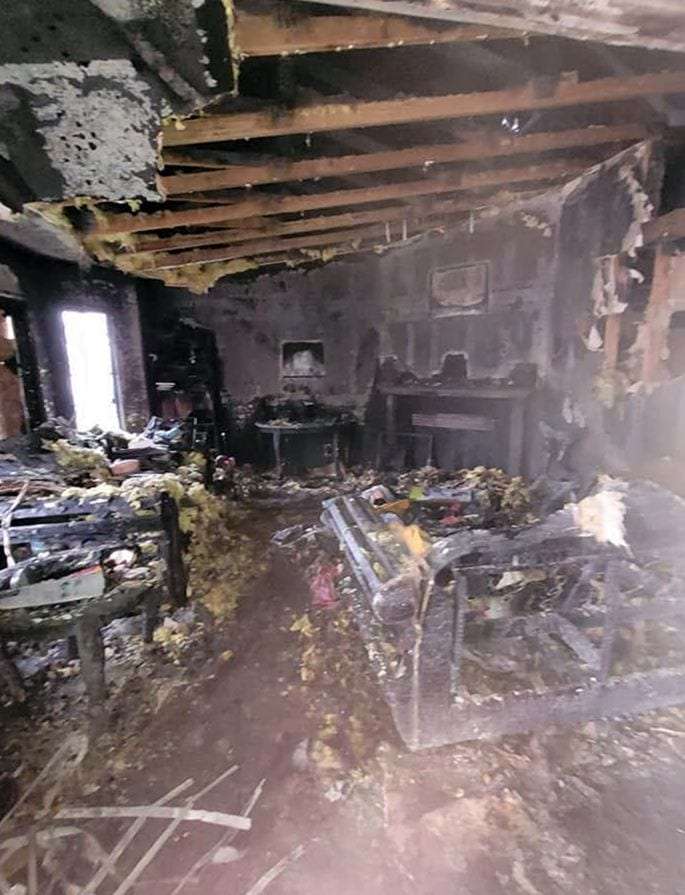
Soot removal, odor control and cleaning of the structure and contents.
Typical situations: a pan fire on the stove, an electrical fire in a wall or a dryer, smoke that spread through the house, water left by the fire hoses.
Fire & Smoke Details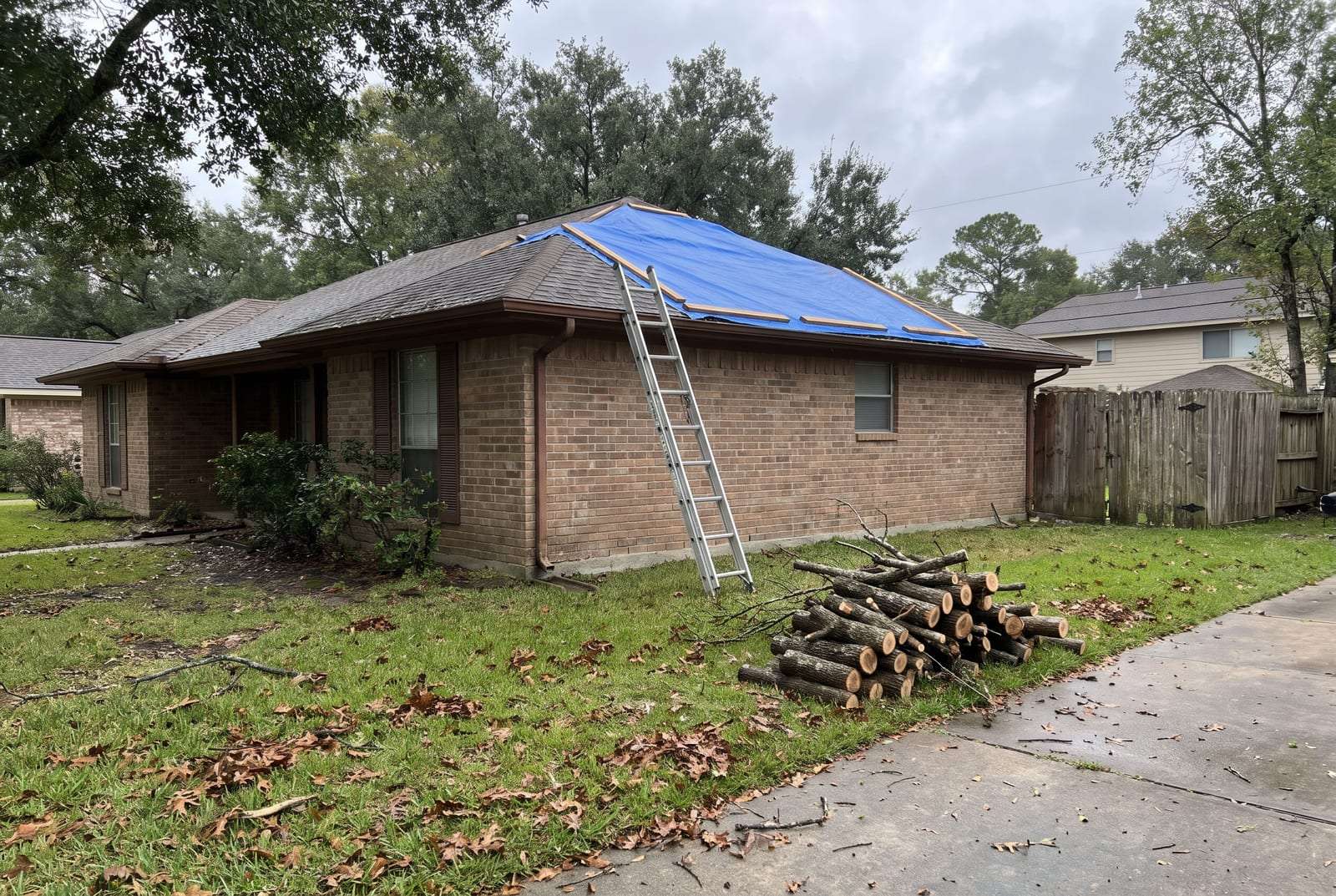
Board-up, roof tarping and water removal after wind, hail and trees.
Typical situations: shingles torn off in a thunderstorm, a limb through the roof, hail-broken windows, rain driven in around window frames.
Storm Damage DetailsThe cause usually tells you which service you need, and the first step is something you can do before anyone arrives.
| Type of damage | Common Houston cause | Service page | First step for the property owner |
|---|---|---|---|
| Water damage | A burst supply line, a failed water heater, a slab leak or an AC drain overflow | Water Damage | Close the main shutoff, and turn off power to wet rooms if you can reach the panel without standing in water. |
| Flooding | Street and bayou flooding after heavy rain or a tropical storm | Flood Cleanup | Stay out of standing water until the power is off, and photograph the water line on the walls. |
| Mold growth | A slow leak or steady humidity in a closet, an attic or behind a wall | Mold Removal | Don’t scrub or spray it. Close the door and leave the area undisturbed. |
| Fire and smoke | A kitchen fire, an electrical fire or smoke spread from one room | Fire & Smoke | Keep the HVAC off and don’t wipe the soot. |
| Storm damage | Hurricane-season wind, spring hail, fallen limbs and wind-driven rain | Storm Damage | Photograph the damage, then move belongings away from leaks and cover openings if it’s safe. |
A musty smell nobody can trace, a ceiling stain after a storm, a wall that feels damp: start with what you can see and smell. A few questions about the signs point to the likely cause and the first safe step.
Check the SymptomsDamage rarely stays in one category. A kitchen fire leaves soot on every wall and firefighting water in the ceiling. A storm tears off shingles, and the rain that follows soaks the attic insulation. A slow leak behind a vanity goes unnoticed for weeks and turns into mold. On jobs like these, the drying, the cleaning and the tear-out run in an order that keeps one problem from feeding the next.
Many of our jobs involve insurance claims, so the damage is documented with photos and moisture readings and the records stay organized through the rebuild. Drying is usually the longest stage of how a restoration job runs, and the rebuild starts only once the readings say the structure is dry.
Property managers, landlords, HOA boards and business owners deal with the same five kinds of damage, with more people waiting on the result: tenants to keep informed, a business to reopen, an owner or an adjuster asking for records. Water through a shared ceiling or smoke from one restaurant kitchen rarely stays in one space, and that is what sets commercial restoration apart from a single-family job.
Book a visit for any of the five services, or call if water or smoke is still spreading.
This chat is recorded, and an automated assistant may answer it. Privacy Notice